Full Description
The Egypt Desert Tour combines Cairo, Fayoum, Wadi Al-Hitan, Bahariya, the Black and White Deserts, remote oases and Luxor in a private 9-day route through a very different side of Egypt.
You start in Cairo and then travel deeper into Egypt’s Western Desert. Along the way, you move between archaeological sites, fossil areas, oases, 4x4 routes and desert camping before reaching the Nile Valley and Luxor.
The tour is designed for small private groups. During the desert sections, 4x4 vehicles and experienced local desert drivers are used. German- or English-speaking expert guidance is listed for the cultural parts of the tour.
The published prices are:
Participants | Vehicle | Price per person |
|---|---|---|
2–4 people | Exclusive private 4x4 & VIP vehicle | €1,370 |
5–8 people | Private 4x4 vehicles & VIP minibus | €1,170 |
Single room supplement: currently €40 per night according to the published page.
Important: the current product page contains differences between the detailed itinerary and the structured accommodation list. The published package states 5 hotel nights and 3 desert camp nights, which correctly gives eight overnight stays for a nine-day tour. The exact overnight sequence in Fayoum, Bahariya and the desert sections should be confirmed in writing before booking.
Egypt Desert Tour at a Glance
The currently published route includes:
9 days / 8 nights
Private operation
2–8 travellers according to the current price table
Cairo
Grand Egyptian Museum, depending on arrival time
Fayoum
Wadi El Rayan
Magic Lake
Tunis Village
Wadi Al-Hitan
Bahariya Oasis
Black Desert
Crystal Mountain
Wadi El Agabat
White Desert
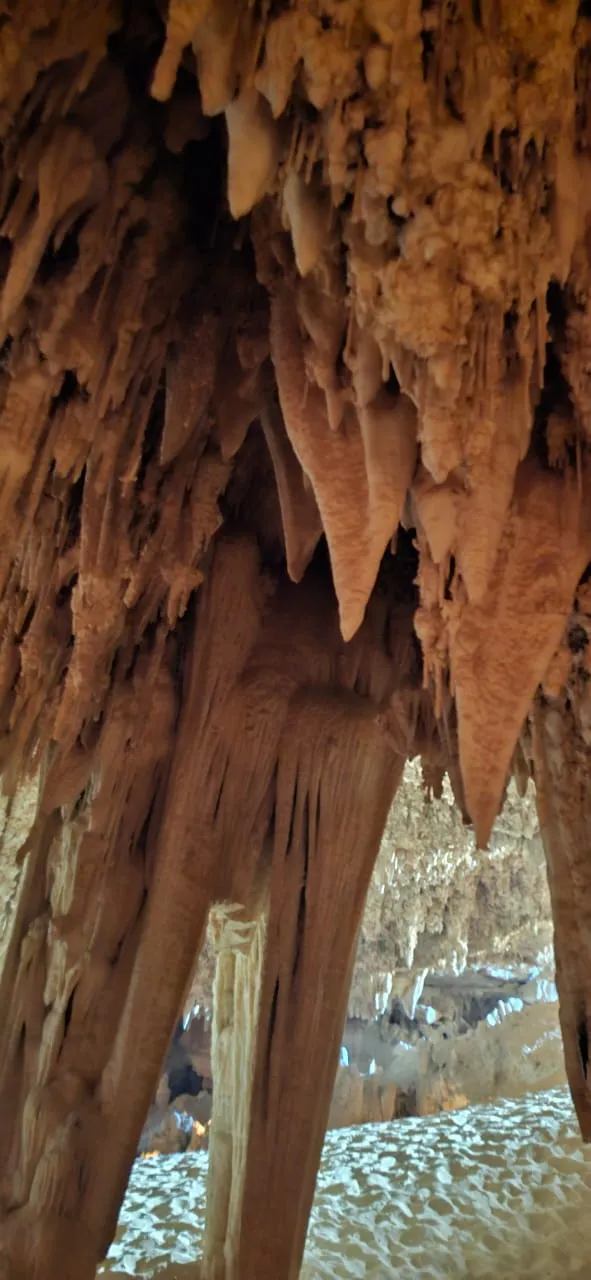
Djara Cave
Dakhla Oasis
Kharga Oasis
El Bagawat Necropolis
Other historical sites according to the confirmed itinerary
Luxor Temple
Avenue of Sphinxes
4x4 vehicles during desert sections
Camping equipment
5 hotel nights according to the current inclusions
3 desert camp nights according to the current inclusions
Three meals a day according to the current inclusions
Water during the tour
Entrance fees according to the confirmed programme
Transfers within the confirmed route
Who Is This 9-Day Desert Tour For?
This tour may suit you if you want to see more of Egypt than Cairo, Luxor and the classic Nile sites.
It is especially suitable for travellers who:
Want to spend several days in the Western Desert
Enjoy 4x4 driving
Are comfortable with simple camp nights
Are interested in fossils and geology
Want to visit remote oases
Do not mind long road and desert sections
Want to combine nature and archaeology
Prefer private travel to a large group
Want a one-way route from Cairo to Luxor
It may suit you less if you expect a standard hotel every night or prefer to avoid several days with limited infrastructure.
Western Desert Rather Than Just “Sahara”
The current page uses the word Sahara very often.
For this specific route, Egypt’s Western Desert is more useful and geographically clearer.
Fayoum, Bahariya, the White Desert, Dakhla and Kharga all sit within or along Egypt’s large western desert region.
This wording gives travellers a better idea of where the tour actually goes.
Why the Route Starts in Cairo and Ends in Luxor
This is not a loop back to Cairo.
The route starts in Cairo and moves south through the desert before reaching the Nile Valley at Luxor.
Keep this in mind when planning flights and the rest of your holiday.
After the tour, you could:
Stay in Luxor
Add more Luxor sightseeing
Continue to Aswan
Travel to the Red Sea
Take a domestic flight
These extensions are only included when clearly confirmed in your personal offer.
Day 1 – Cairo and the Start of the Desert Route
The current page lists the Grand Egyptian Museum on Day 1.
There is, however, a conflict.
The long description presents the museum as a fixed stop before continuing to Fayoum.
The structured itinerary says:
Grand Egyptian Museum – possible depending on arrival time
and lists a hotel night in Cairo.
For that reason, I would not promise the museum on Day 1 regardless of arrival time.
Grand Egyptian Museum
If your arrival time and opening hours allow, the Grand Egyptian Museum can be part of the first day.
The actual visit length depends on:
Flight arrival
Airport transfer
Opening hours
Visitor numbers
Daily schedule
If you arrive late in Cairo, the museum visit may need to move or be handled separately.
Overnight on Day 1
This is one of the points the operator should correct on the current product page.
The detailed description says Fayoum.
The structured itinerary says Cairo.
Both should not remain published at the same time.
The first overnight location needs to be confirmed clearly before booking.
Day 2 – Fayoum, Wadi El Rayan & Magic Lake
Fayoum is the first major nature section of the route.
The published programme includes:
Wadi El Rayan
Magic Lake
Tunis Village
Wadi El Rayan
Wadi El Rayan is a protected area in the Fayoum region.
The surroundings feel very different from Greater Cairo.
Lakes, dry desert ground and geological formations sit close together.
Magic Lake
The so-called Magic Lake is also part of the published programme.
The way the water looks can change with:
Sunlight
Weather
Viewing angle
Time of day
The name should not be treated as a promise of one exact water colour.
Tunis Village
Tunis Village is especially known for pottery and local crafts.
It adds a quieter cultural stop to the natural sites of the day.
A visit does not mean that purchases or workshop shopping are compulsory.
Where Do You Stay in Fayoum?
The two versions of the itinerary also differ here.
The detailed description lists a hotel stay in Fayoum.
The structured version suggests that one of the three published camp nights may fall in the Fayoum section.
Because the package clearly lists 5 hotel nights + 3 camp nights, the exact accommodation for this evening should be confirmed before booking.
Day 3 – Wadi Al-Hitan and Continue Towards Bahariya
Wadi Al-Hitan, the Valley of the Whales, is one of the strongest educational stops on the entire tour.
It is a UNESCO World Heritage Site.
The area contains important fossil remains of early whales that help explain their evolutionary move from land to sea.
Why Wadi Al-Hitan Matters
It is not simply a place to see a few fossils.
The wider site helps researchers understand the evolution of early whales.
Its importance comes from factors such as:
Number of fossils
Quality of preservation
Concentration of remains
Scientific value
Clear evidence of evolutionary change
The fossils and the protected environment should be treated with care.
Do Not Drive Outside Permitted Areas
Wadi Al-Hitan is a protected fossil site.
Off-road driving must follow current access and conservation rules.
The tour should never suggest that 4x4 vehicles can drive freely between fossils and rock formations.
Continue to Bahariya Oasis
After the Fayoum and fossil sections, the route moves towards Bahariya.
Bahariya is an important base for the next desert stages.
Wadi El Batikh as an Additional Stop
The structured itinerary also lists:
Wadi El Batikh
A nearby cave
These are not mentioned in the longer main description.
I would therefore only treat them as fixed stops if the operator confirms they are part of the standard programme.
Overnight in Bahariya
The structured itinerary gives a hotel night in Bahariya.
This broadly fits the published hotel-and-camp combination.
The exact property should still be confirmed before booking.
Day 4 – Black Desert, Crystal Mountain, Wadi El Agabat & White Desert
From Bahariya, one of the main 4x4 sections begins.
The repeatedly listed core programme includes:
Black Desert
Crystal Mountain
Wadi El Agabat
White Desert
Black Desert
The Black Desert is known for dark hills and dark volcanic-looking surfaces.
The contrast with the pale formations of the White Desert later in the route is one of the most noticeable changes of the day.
Crystal Mountain
Crystal Mountain is a well-known geological stop along the route.
It should be treated as a natural formation and not damaged.
Removing crystal material or stones is not appropriate for a responsible visit.
Wadi El Agabat
Wadi El Agabat is known for wide desert spaces and striking rock formations.
The exact driving route depends on:
Access rules
Ground conditions
Weather
Vehicle conditions
Local requirements
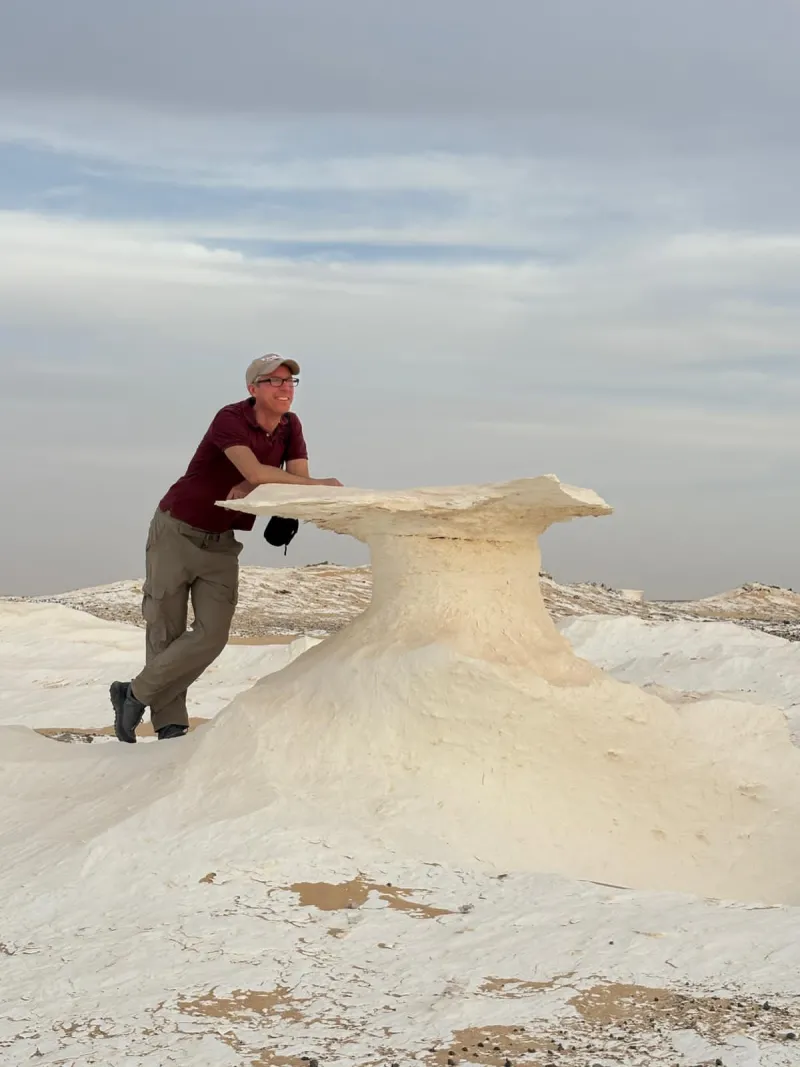
White Desert
The White Desert is an officially protected area.
It is known for pale chalk and limestone formations shaped by natural erosion.
Visiting a protected area means following local rules covering:
Driving
Camping
Fire
Rubbish
Protection of natural formations
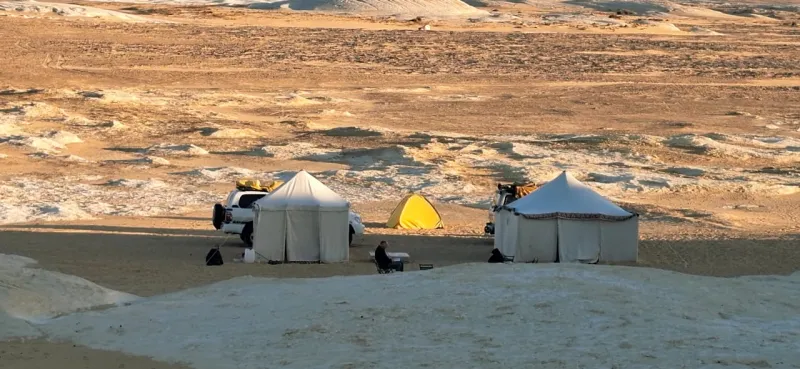
Desert Camp Night
A camp night in the desert section is clearly part of the current programme.
The page describes full camping equipment as included.
Even so, you should not expect hotel-level comfort.
A desert camp night usually means:
Tent
Simpler sanitation
Limited infrastructure
Bigger temperature changes between day and night
Very little artificial light
Dinner at Camp
The main description mentions a Bedouin-style dinner at camp.
The structured inclusions also state that three meals a day are planned.
The exact meal coverage on arrival and transfer days should still be listed clearly in the final offer.
Night Sky
Remote desert areas can have very dark skies when conditions are clear.
A specific astronomy experience cannot be guaranteed.
Moonlight, clouds, dust and weather all affect visibility.
Day 5 – White Desert & Djara Cave
The next part of the route continues towards Djara Cave.
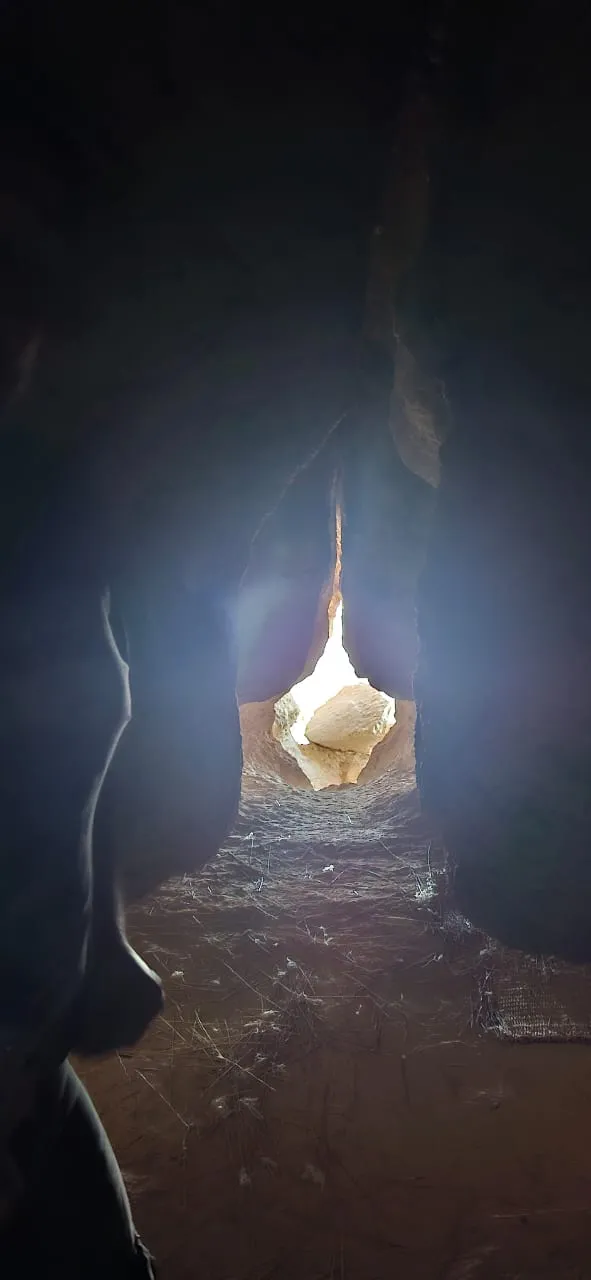
The current page describes it as a remote limestone cave.
Djara Cave
Visiting a remote cave is very different from a standard temple visit.
Expect:
Longer 4x4 sections
Uneven ground
Limited infrastructure
Possible heat outside the cave
Limited mobile coverage
Access to the Cave
Before booking, confirm:
Whether access is currently open
How long the walking section is
What physical requirements apply
Whether special permits are needed
Current condition of the access route
Access rules in remote desert regions can change.
Another Camp Night
The structured itinerary specifically lists a desert camp night on Day 5.
If the published total of three camp nights is correct, this is likely one of them.
The full distribution of all three camp nights should still be confirmed before booking.
Day 6 – Continue to Dakhla Oasis
After the remote desert sections, you continue towards Dakhla.
The oasis brings more settlements, palm areas and historic locations back into the route.
Dakhla Oasis
The current page describes Dakhla using features such as:
Traditional mud-brick buildings
Historic settlements
Palm groves
Archaeological sites
The exact selection of visits should be listed in the final daily programme.
Al-Muzouqa
The structured itinerary also lists Al-Muzouqa.
This stop does not appear in the longer main description.
If it remains part of the standard route, it should also appear in the main itinerary and final inclusions.
Bir El-Maya and Hot Spring
Bir El-Maya is also mentioned only in the structured itinerary.
That version even suggests a possible swim in a natural hot spring.
Before booking, confirm:
Current access
Water conditions
Changing facilities
Hygiene arrangements
Suitability for guests with health limitations
Overnight in Dakhla
An overnight stay is planned in Dakhla.
Whether this is an oasis hotel should be confirmed in the final accommodation schedule.
Day 7 – Dakhla to Kharga
Today, the route continues to Kharga.
The main description especially mentions El Bagawat Necropolis along with historic temples and buildings.
The structured itinerary adds Hibis Temple and a local date factory.
El Bagawat Necropolis
El Bagawat is an important historic site in Kharga Oasis.
It is very different from the pharaonic temples many visitors know from Luxor.
The site adds late antique and early Christian history to the tour.
Hibis Temple
Hibis Temple appears in the structured itinerary.
Because it is not clearly listed in the detailed main description, its place in the final programme should be confirmed.
Date Factory Visit
A local date factory also appears only in the structured version.
If this remains part of the tour, the page should make clear whether it is:
A short production visit
A shopping stop
A tasting
A cultural stop
This matters on a tour that is presented mainly around nature, archaeology and desert travel.
Overnight in Kharga
The structured itinerary lists dinner and overnight accommodation in Kharga.
This hotel night fits the published total of five hotel nights.
Day 8 – Kharga to Luxor
On Day 8, you leave the Western Desert and reach the Nile Valley.
This change is one of the strongest contrasts of the route.
Dry desert and oasis regions give way to a more densely settled agricultural area.
Arrival in Luxor
Lunch is planned in Luxor according to the current programme.
You then visit Luxor Temple.
Luxor Temple
Luxor Temple stands in the centre of modern Luxor.
Its building history covers several ruling periods.
After many days in the desert, this visit is deliberately more compact than a full Luxor sightseeing programme.
The Valley of the Kings and Karnak are not automatically part of the published core programme of this 9-day tour.
Avenue of Sphinxes
The longer description also lists the Avenue of Sphinxes.
How much of it is visited on foot depends on the confirmed schedule, arrival time and your mobility.
Overnight in Luxor
The eighth and final overnight stay is listed in Luxor in the structured itinerary.
This brings the long desert section to an end at a classic Nile destination.
Day 9 – Luxor, Departure or Extension
After breakfast, the published 9-day route ends.
The current structured itinerary leaves the day open for:
Free time in Luxor
Departure
Beginning a Red Sea extension
What Is Included on the Final Day?
There is another small conflict here.
The inclusions say all transfers including airport transfers are included.
The main description says a private transfer to the airport or extension hotel can be arranged “on request”.
For your booking, confirm clearly:
Which final transfer is included
Which airport is covered
Whether a Red Sea transfer is included
Whether any extension costs extra
Extend Your Stay in Luxor
If you want to see more of Luxor after the desert tour, you can add extra days.
Possible additions include:
Valley of the Kings
Karnak Temple
Hatshepsut Temple
Colossi of Memnon
If you want to prepare for the Valley of the Kings:

Add Aswan
Aswan and Abu Simbel can also be added after the route.
This can make sense if you do not want to leave Luxor immediately after several long desert stages.
Why the Accommodation List Needs to Be Fixed Before Booking
The current page gives two different accommodation models.
The detailed description mentions:
Fayoum – several hotel nights
Bahariya – hotel
White Desert – camp
Dakhla – several hotel nights
Kharga – hotel
Luxor – hotel
That does not match the published 5 hotel nights + 3 camp nights.
The structured inclusions, however, clearly state:
5 hotel nights
3 desert camp nights
That combination gives eight nights and fits a nine-day tour.
For the new page, I would keep the total 5 + 3, but only publish the exact nightly breakdown after the operations team confirms it.
What Does a Desert Camp Night Really Mean?
A desert night should not be described like a hotel stay.
Depending on the confirmed camp, expect simpler conditions.
Before booking, ask about:
Tent type
Bed or mattress
Sleeping bag or blankets
Toilet setup
Washing facilities
Electricity
Charging options
Privacy
Night-time temperatures
The current product page does not explain these points clearly enough.
How Cold Can It Get at Night?
Desert temperatures can drop sharply after sunset.
This is especially noticeable during cooler months.
Along with light daytime clothes, bring:
Warm layer
Long trousers
Closed shoes
Light or warmer jacket
4x4 Driving
A large part of the route uses 4x4 vehicles.
Off-road sections can be uneven.
Expect:
Vibration
Jolts
Frequent vehicle entry and exit
Longer sitting periods
If you have significant back, neck, hip or joint problems, this route should be checked carefully before booking.
Experienced Desert Drivers
The live page mentions experienced Bedouin guides or desert drivers.
Local route knowledge matters in remote areas.
This includes:
Route knowledge
Understanding the ground
Vehicle experience
Navigation
Reading weather and driving conditions
Safety in Remote Desert Areas
The current page says in broad terms that desert camping is safe.
A professional page should be more precise.
The route should only operate when:
The area is currently accessible
Required permits are in place
Local safety rules are met
Suitable vehicles are available
Experienced drivers are used
Enough water and equipment are carried
The route should therefore be confirmed against current conditions before departure.
Mobile Signal and Internet
Do not expect continuous mobile coverage in remote desert areas.
Download important information before leaving.
You may also want to tell family or other contacts that you could be difficult to reach for parts of the route.
Water
The structured inclusions say water is provided throughout the tour.
This is especially important on a multi-day desert route.
It is still sensible to confirm:
How much drinking water is planned per person
Whether extra water is always available
Whether any other drinks are included
Meals
The current structured inclusions list three meals a day.
The main description also refers to full board or included meals during the desert expedition.
This suggests substantial meal coverage.
Before booking, still confirm how:
Arrival day
Departure day
Long transfer days
are handled.
Dietary Requirements
If you:
Are vegetarian
Have allergies
Have food intolerances
Avoid certain foods for religious reasons
mention this before booking.
In remote desert areas, last-minute alternatives are much harder than in Cairo or Luxor.
Sanitation at Camp
The current page does not explain what sanitation is available during the three published camp nights.
This is important information.
Before booking, confirm:
Fixed toilet or mobile setup
Washing facilities
Shower or no shower
Hot water
Privacy
Egypt Desert Tour with Children
The booking system currently shows:
Adults: 12 years and over
Children 6–11: 50%
Children 0–5: free
For a nine-day desert tour, price should not be the only factor.
The route includes:
Long driving sections
Several off-road days
Camp nights
Heat
Limited infrastructure
Cave and desert areas
For young children, the route should be assessed individually.
Confirm Child Pricing Before Booking
For hotels and camping, clarify:
Bed requirements
Tent arrangement
Child seat
Age
Required equipment
Meals
Participation in desert driving
A toddler shown as free in the booking system does not automatically mean there are no extra practical costs.
Pregnancy
Several days of off-road driving can be physically demanding.
During pregnancy, this route should only be considered after medical advice.
Uneven roads and long driving days matter more here than the amount of walking.
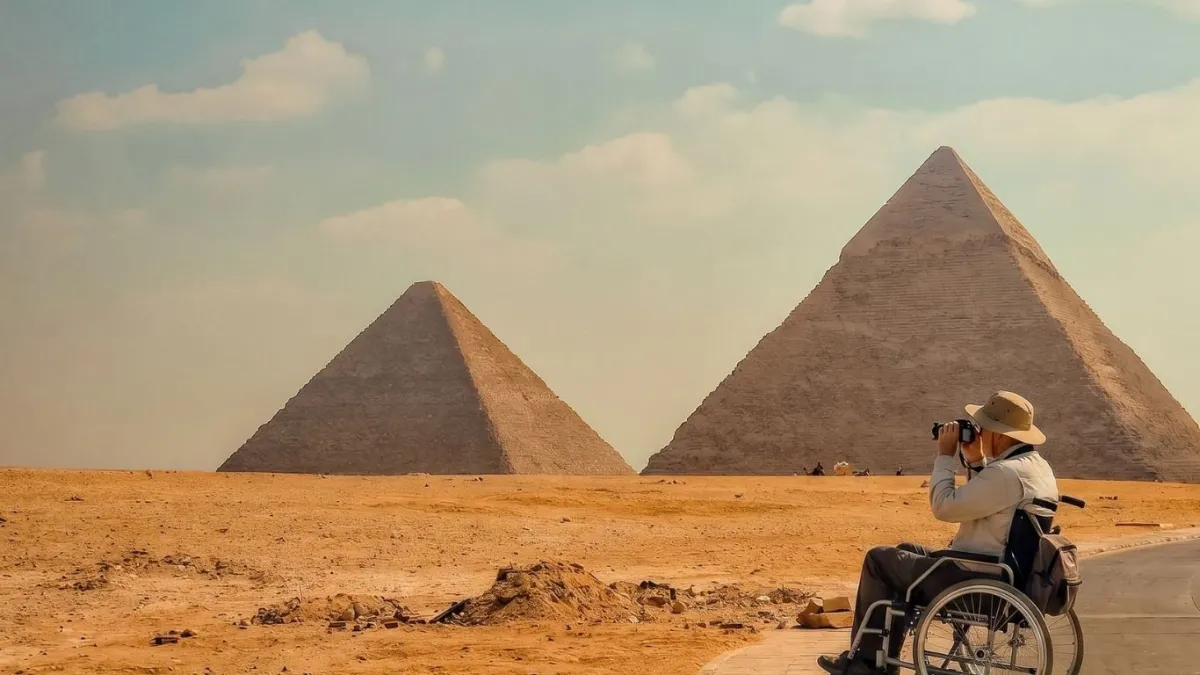
Limited Mobility
The current FAQ describes the trip as not especially demanding.
That wording is too broad for a route with three camp nights, several 4x4 sections, a cave and remote desert areas.
If you have limited mobility, confirm:
Getting into higher 4x4 vehicles
Camp ground
Tent access
Toilet access
Cave access
Uneven paths
Long driving days
Hotel access
Luxor sightseeing
More general planning advice:
Who May Find Djara Cave Difficult?
The cave visit may be unsuitable if you have:
Significant walking limitations
Serious knee problems
Balance problems
Claustrophobia
Difficulty on uneven ground
If the cave does not suit you, confirm in advance what alternative is possible.
Sun Protection
You spend a lot of time in dry, open areas.
Useful items include:
High-factor sun cream
Sunglasses
Sun hat
Lightweight long clothing
Lip balm
Enough water
What to Bring
For the Egypt Desert Tour, we recommend:
Passport
Required visa and travel documents
Comfortable sturdy shoes
Sandals for hotel areas
Sun cream
Sunglasses
Sun hat
Warm clothes for camp nights
Long trousers
Personal medication
Head torch or torch
Power bank
Camera or phone
Dust protection for electronics
Small day backpack
Wet wipes
Personal hygiene items
Torch
The current page specifically recommends a torch for camp nights.
A head torch can be even more practical because it keeps both hands free.
Electricity and Charging
The live page does not explain whether every camp has electricity or charging points.
Bring enough power banks and confirm what charging options are available.
Internet and Important Documents
Save important documents offline as well.
These may include:
Passport copies
Insurance details
Emergency contacts
Hotel information
Flight details
Booking confirmation
Travel Insurance
For a multi-day route through remote desert areas, check whether your travel insurance covers:
Off-road driving
Desert camping
Medical treatment
Emergency transport
Do Not Remove Natural Materials
At protected areas and geological sites, do not remove:
Fossils
Crystals
Stones
Plants
Archaeological objects
Photos are the better souvenir.
Respect Wadi Al-Hitan
The Valley of the Whales is not an off-road playground.
It is an internationally important fossil site.
Stay on authorised routes and follow the rules of the protected area.
Respect the White Desert
The White Desert is also protected.
Do not leave rubbish or damage the rock formations.
Camping and vehicles must follow permitted zones and current conservation rules.
No Planned Shopping Stops
The tour should keep its focus on nature, oases and history.
If stops such as a date factory remain in the final itinerary, the page should clearly explain whether they are cultural production visits or sales stops.
Guests should know what is part of the programme.
Desert Tour or Classic Egypt Tour?
This route may suit you better if you:
Want several days in the desert
Are interested in fossils and geology
Want to visit oases
Are comfortable with camping
Want more than temples
A classic Egypt tour may suit you better if you:
Want more time in Cairo, Luxor and Aswan
Prefer hotels to camping
Want fewer off-road sections
Want to focus more heavily on the Pyramids, Nile and temples
Luxor After the Desert Tour
After several days in the Western Desert, Luxor feels very different.
If you have enough time, it can be worth staying longer rather than leaving the next morning.
More about spending extra time in Luxor:

Valley of the Kings as an Extension
The Valley of the Kings is not part of the published core programme of this 9-day tour.
If you want to visit it afterwards:
Tips
Tips are listed under the current exclusions.
On a route with several drivers, guides, camp staff and hotels, the subject can become confusing.
General guidance:
Included in the Price
According to the currently published structured inclusions:
9-day private tour
5 hotel nights
3 desert camp nights
4x4 vehicles
Camping equipment
Three meals a day
Water during the tour
Transfers according to the confirmed booked route
Airport transfers according to the current inclusions
German-speaking guide
Local desert drivers or guides
Entrance fees according to the confirmed programme
Fayoum
Wadi El Rayan
Wadi Al-Hitan
Bahariya
Black Desert
Crystal Mountain
Wadi El Agabat
White Desert
Djara Cave
Dakhla
Kharga
Luxor Temple
Other confirmed places according to the final itinerary
Confirm Before Booking
Because of the conflicts on the current page, these points should be confirmed in writing:
Final daily itinerary
Accommodation on Day 1
Exact distribution of the 5 hotel nights
Exact distribution of the 3 camp nights
Whether the GEM on Day 1 is guaranteed or time-dependent
Whether Magic Lake and Tunis Village are fixed inclusions
Exact day for Wadi Al-Hitan
Whether Wadi El Batikh is included
Whether Gebel El Medawara is included
Whether Al-Muzouqa is included
Whether Bir El-Maya and the hot spring are included
Whether Hibis Temple is included
Whether the date factory is included
Which meals are included on Day 1 and Day 9
What sanitation is available at the camps
Tent and sleeping setup
Current permits and access rules
Final transfer arrangement in Luxor
Child rules
Mobility requirements
Not Included in the Price
According to the current page:
International flights
Red Sea beach extension
Personal expenses
Tips
Extra programmes not confirmed in advance
Any other service should only be treated as included when it appears clearly in the final offer.
Enquire About the Egypt Desert Tour
If you want to combine Cairo, Fayoum, the Valley of the Whales, the White Desert, remote oases and Luxor in one private route, you can enquire about the Egypt Desert Tour for your preferred dates.
Tell us:
Preferred travel dates
Number of travellers
Ages of all children
Preferred language
Preferred room arrangement
Camping experience
Health limitations
Mobility limitations
Dietary requirements
Planned arrival in Cairo
Preferred onward travel from Luxor
Before booking, the route, accommodation, camp nights, permits, vehicles, meals and final price should be confirmed in writing.